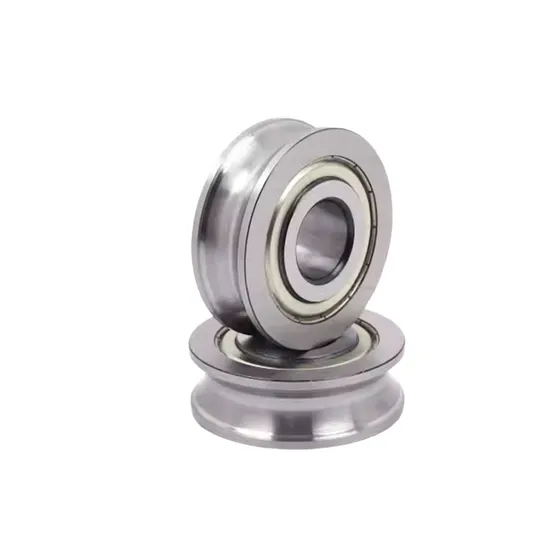
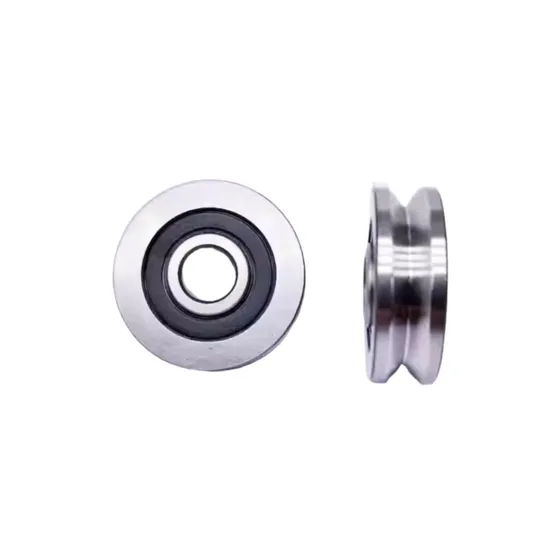
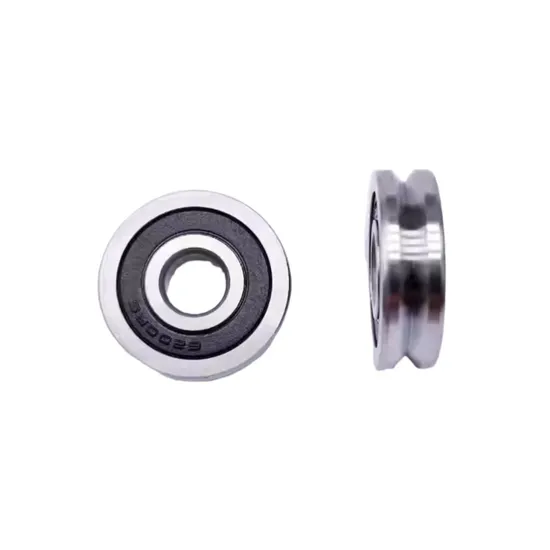
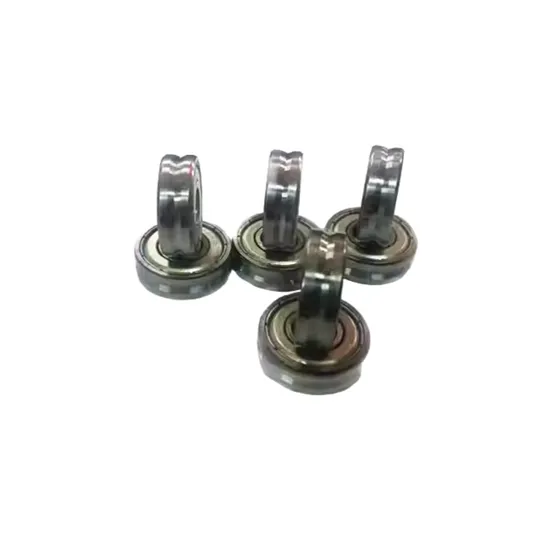
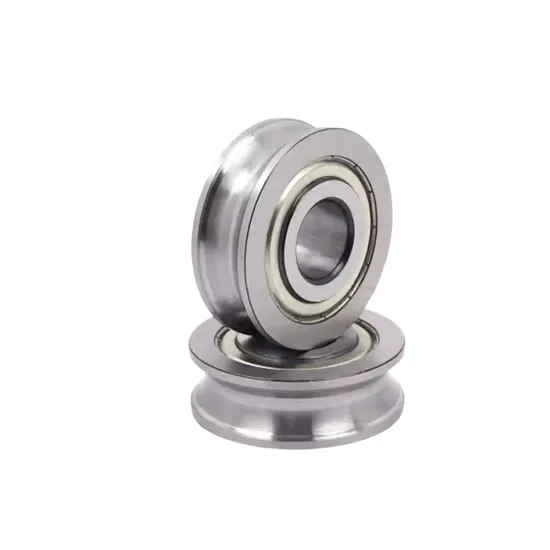
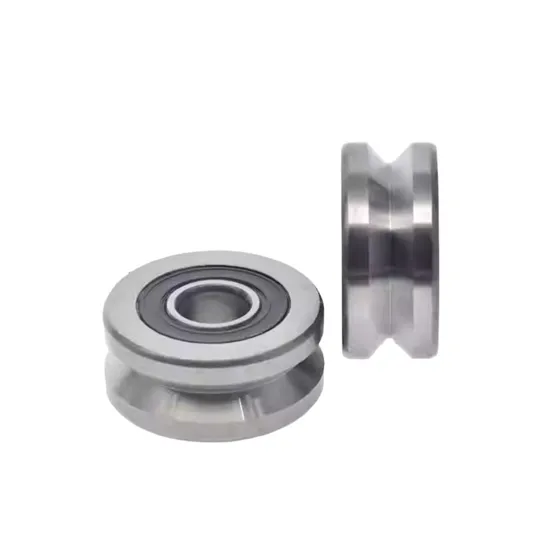
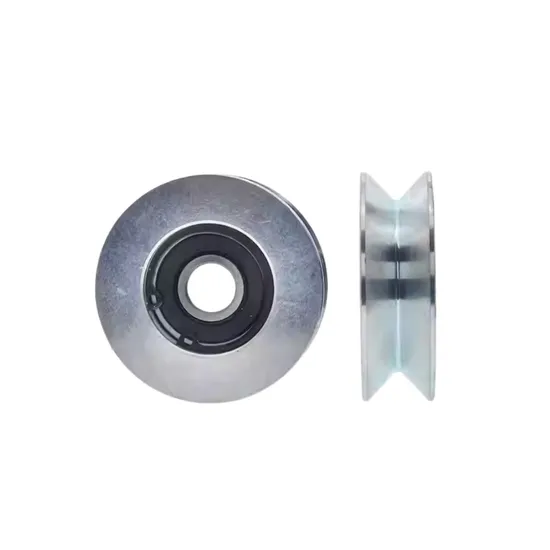
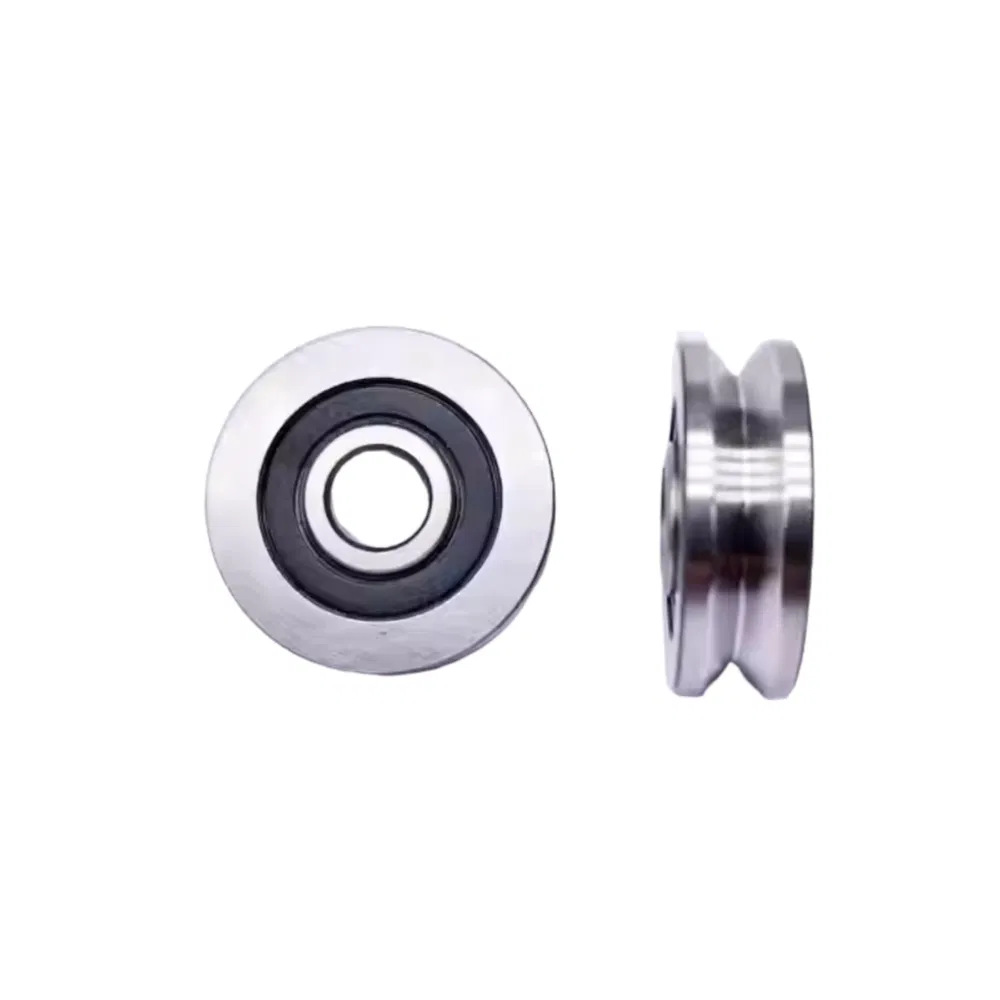
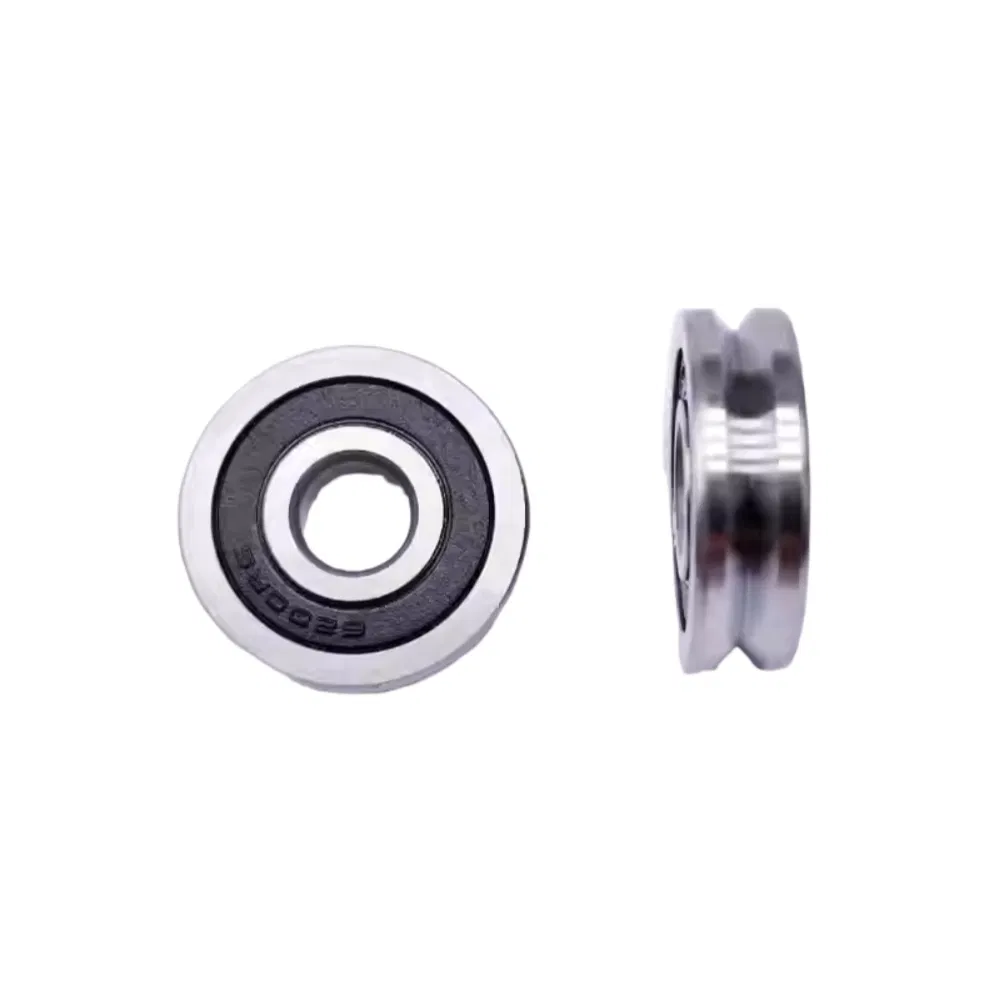
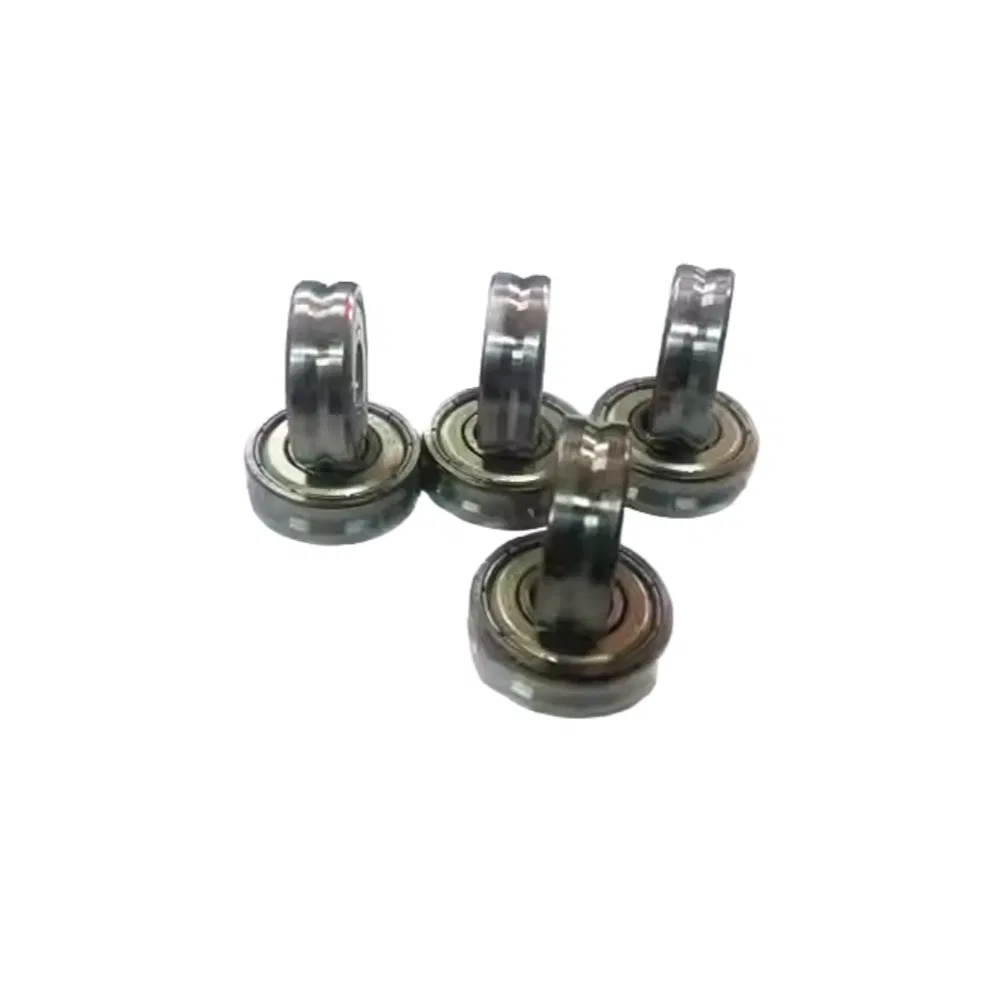
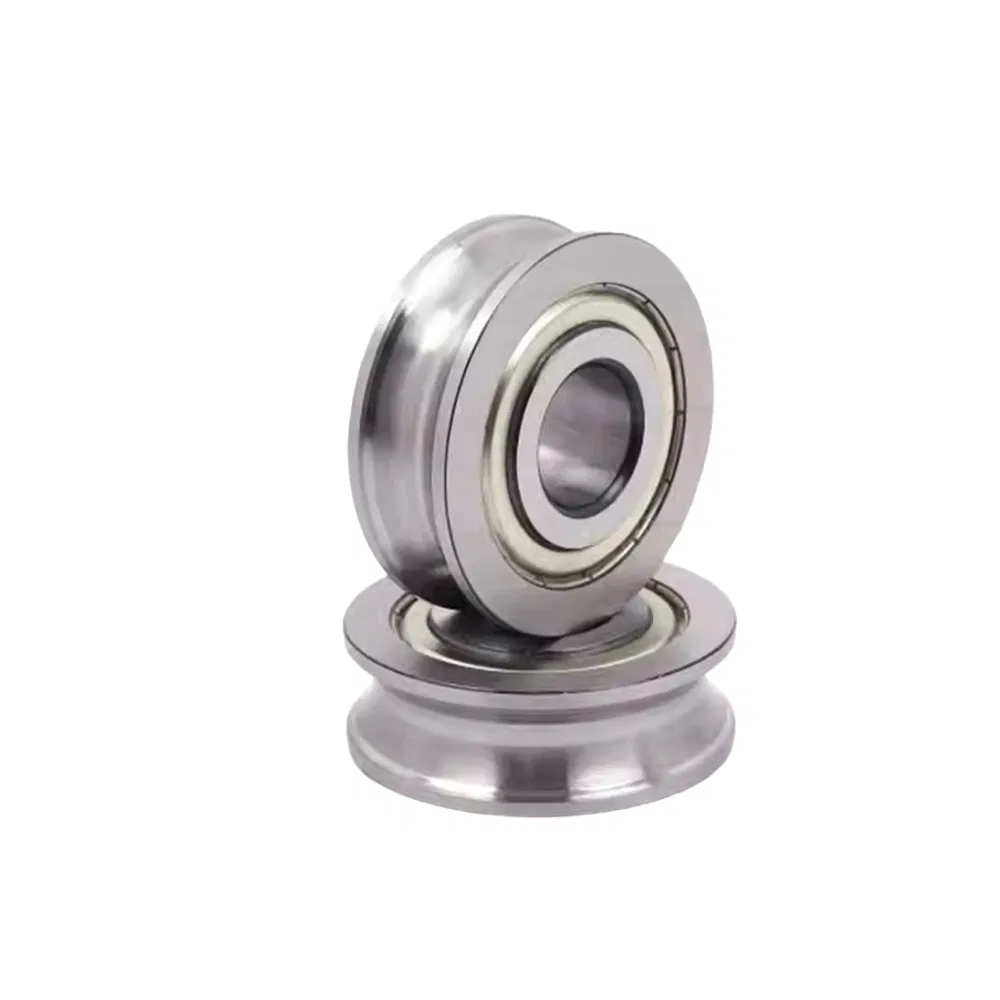
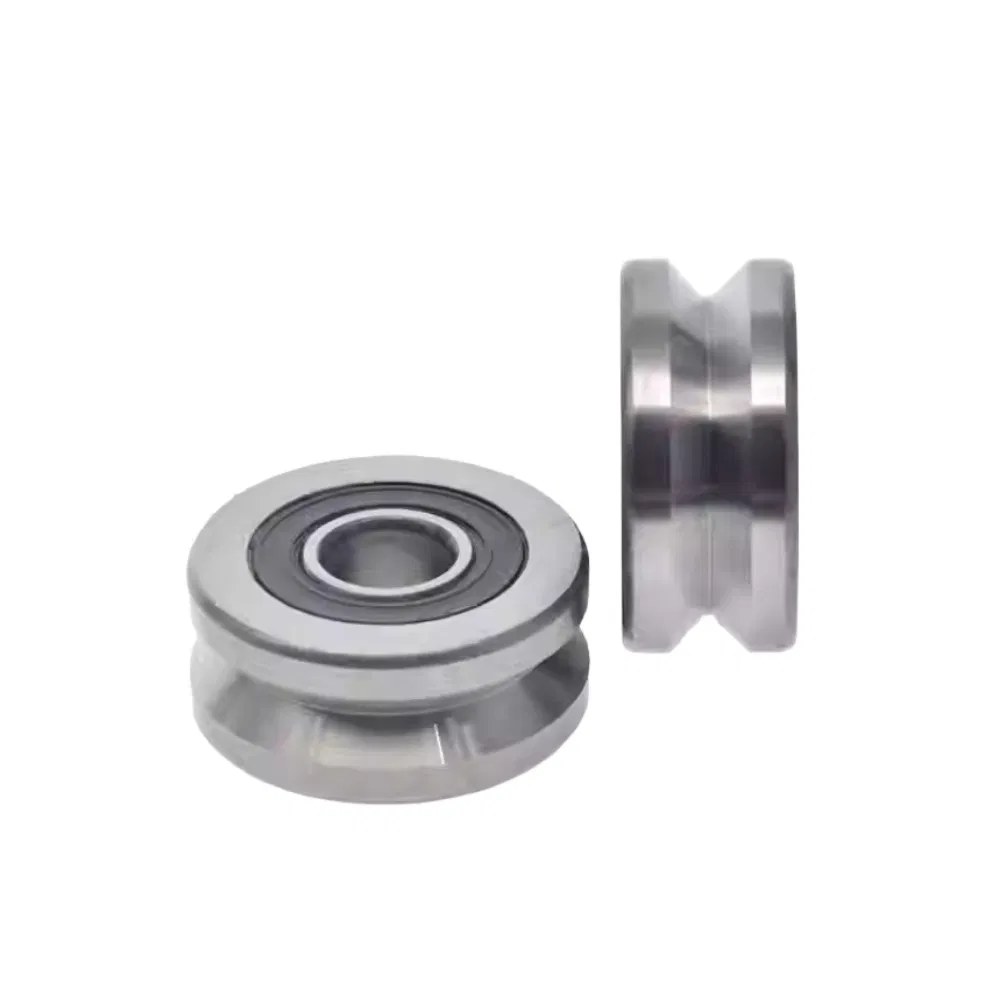
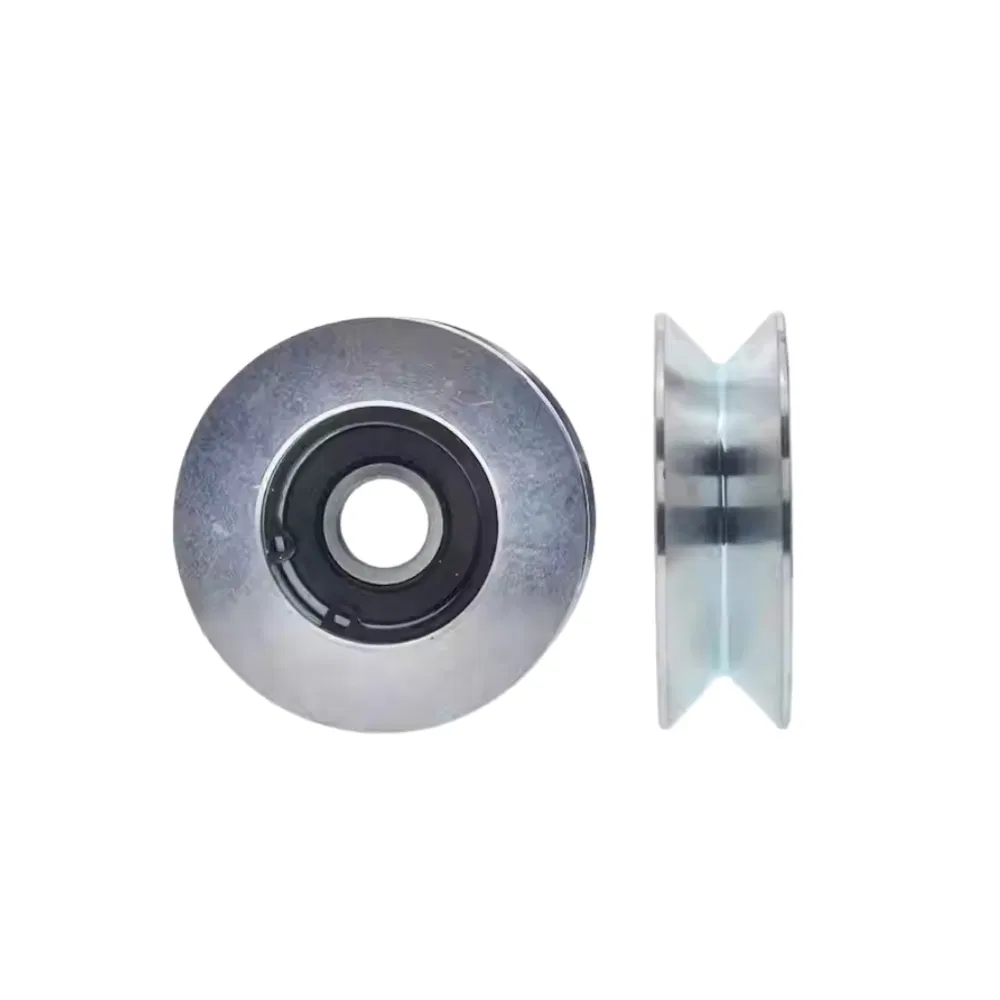
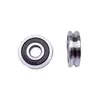
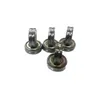
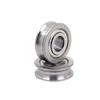
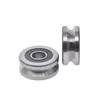
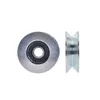
V625 V625zz Straightening Line Wheel Rolling V Groove Ball Bearing 5*16*5 mm for Printer Machine
|
Still deciding? Get samples of $ !
Order Sample
|
| Customization: | Available |
|---|---|
| Vibration: | Zv1 Zv2 Zv3 |
| Hardness: | HRC60--62 |
| Shipping Cost: | Contact the supplier about freight and estimated delivery time. |
|---|
| Payment Methods: |

|
|---|---|
| Support payments in USD |
| Secure payments: | Every payment you make on Made-in-China.com is protected by the platform. |
|---|
| Refund policy: | Claim a refund if your order doesn't ship, is missing, or arrives with product issues. |
|---|
Suppliers with verified business licenses
 Audited Supplier
 Audited by an independent third-party inspection agency
- Overview
- Product Description
- Company Profile
Basic Info.
Packaging & Delivery
Product Description

Introduction to U/V-Groove Bearings
U/V-groove bearings are a type of ball or roller bearing whose outer ring (or inner ring, depending on design) includes a U-shaped or V-shaped groove. This groove allows the bearing to run along a guide rail, track, cable, or using a correspondingly shaped rail or flange, providing directional guidance as well as rotational support.
Typical Structure & Features
A U/V-groove bearing commonly includes the following:
-
Grooved outer (or inner) ring: the groove shape is either U or V type.
-
The U-groove has a rounded, concave profile, which gives good contact area and smooth tracking over curved or round rails.
-
The V-groove has angled sides that engage with rails having matching V-profiles, often giving more precise positional control in one direction.
-
-
Inner ring / raceway: where the balls (or rollers) run.
-
Balls or rollers: the rolling elements which reduce friction.
-
Cage or separator (if used): maintains spacing between rolling elements.
-
Seals or shields / open design depending on environment (dusty, corrosive, etc.).
-
Material: common ones include carbon steel, chrome steel, stainless steel, sometimes high-alloy steels or even ceramics for specific applications.
Advantages
-
Guidance + rotation in one unit: They combine bearing support with guiding capability, which saves space and simplifies mechanics when you need both motion and guiding/constraint.
-
Good load carrying and stability: Depending on groove shape and material, they can withstand radial loads and some induced axial loads (due to guidance), plus lateral or thrust load if the groove engages over the side of the track.
-
Versatility: U/V-groove bearings are used in conveyor systems, track rollers, sliding doors, cable or rope guides, linear motion systems, etc.
-
Customizable groove shape: The groove profile (width, depth, shape) can be matched to the guide rail or track system for optimal engagement and minimal slop/slippage.
Limitations / Design Considerations
-
Matching groove-rail geometry is critical: If the rail or track doesn't match the bearing groove well (wrong width, wrong angle in V, or mismatched curvature in U), performance drops (noise, wear, binding).
-
Load direction matters: While these bearings guide plus carry loads, heavy loads perpendicular to the designed load direction (axial or lateral loads outside what the groove supports) may lead to failure or excessive wear.
-
Speed / friction: Groove contact and any misalignment increase friction; sealing or shields add drag; high speed use requires careful lubrication and accurate machining.
-
Environmental exposure: Dirt, dust, water, etc., can cause damage; sealing, material choice (e.g. stainless steel), and lubrication are more critical.
Typical Applications
Here are common uses of U/V-groove bearings:
-
Rail or track guidance in automated systems (e.g. conveyor guides)
-
doors, windows - the bearing rolls along a guide rail
-
Cable or rope guides (e.g. in lifting equipment)
-
CNC machines, robotics - for linear motion with guided tracks
-
Pulley wheels that need to follow a rail or guide with a fold or flange
Comparison: U-Groove vs V-Groove
| Feature | U-Groove | V-Groove |
|---|---|---|
| Groove profile | Rounded, concave "U" | Angled sides "V" |
| Rail/Track type best match | Round rails, cylindrical rails, pipes, cables | Rails with V edges, square rails, rails with matching angled flanges |
| Contact area & stability | Larger contact area; smoother over curved paths | More precise alignment in a single direction; better positional constraint if rail edges are accurate |
| Slippage under load | Generally lower if groove fits well | May slip less outward laterally due to angled contact, depending on load direction |

)