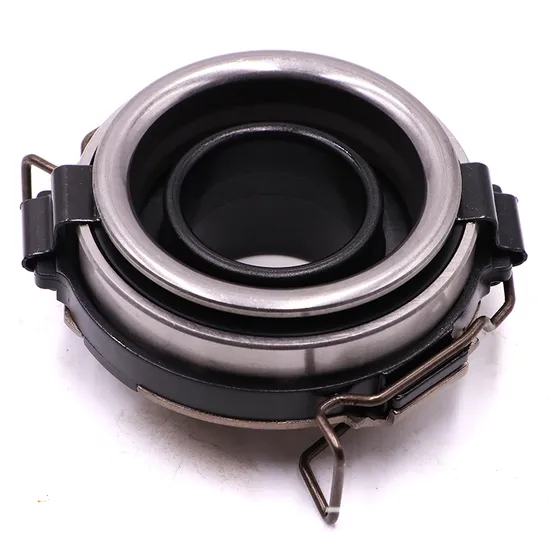
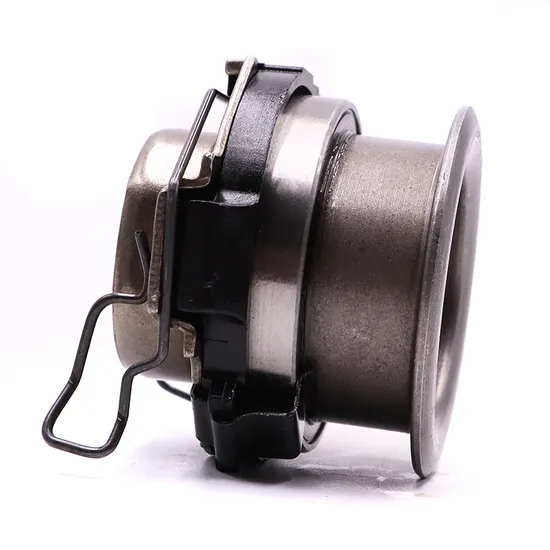
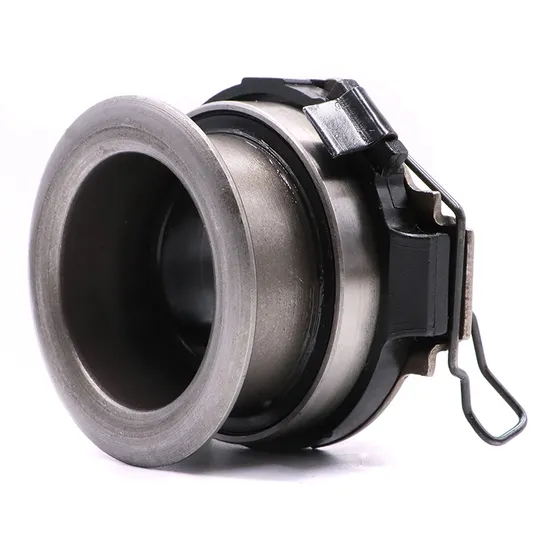
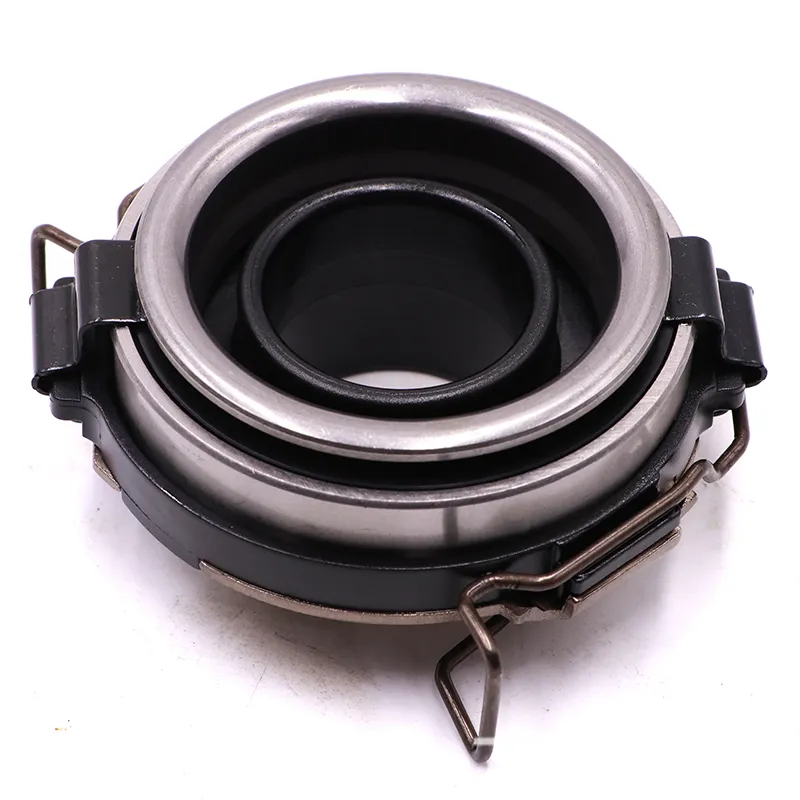
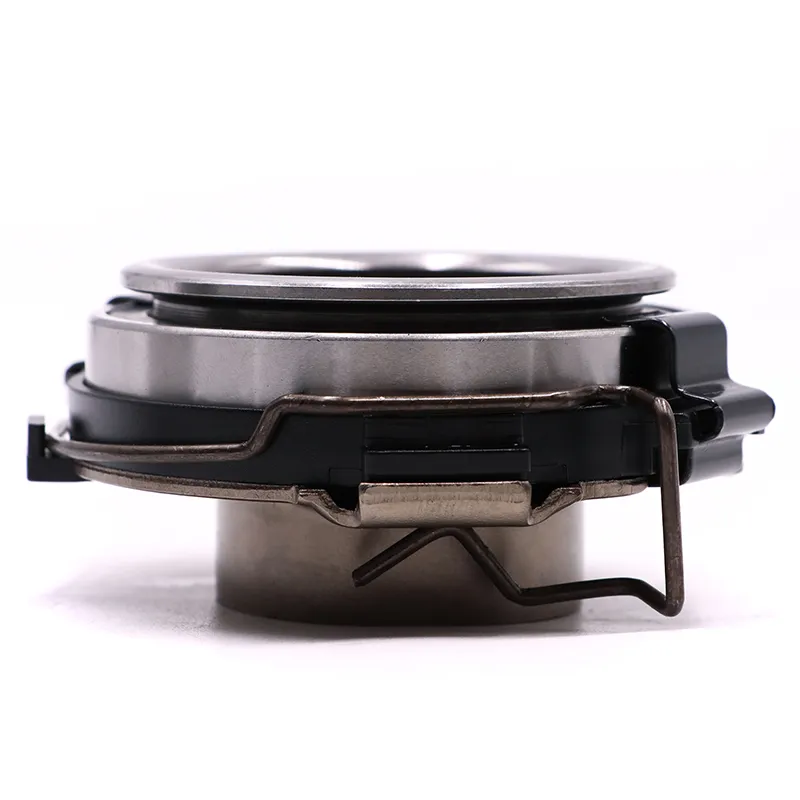
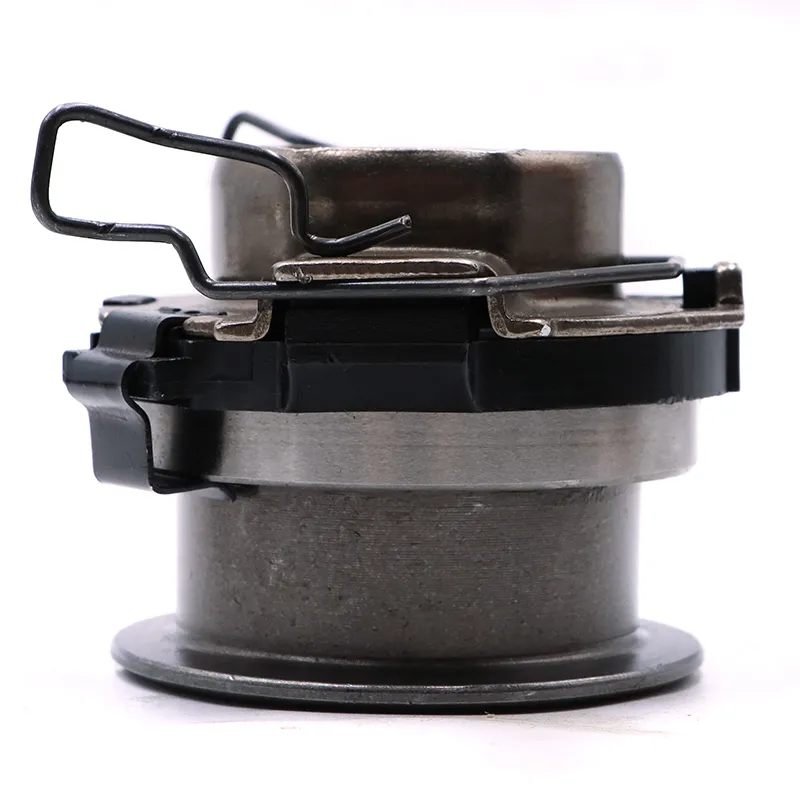
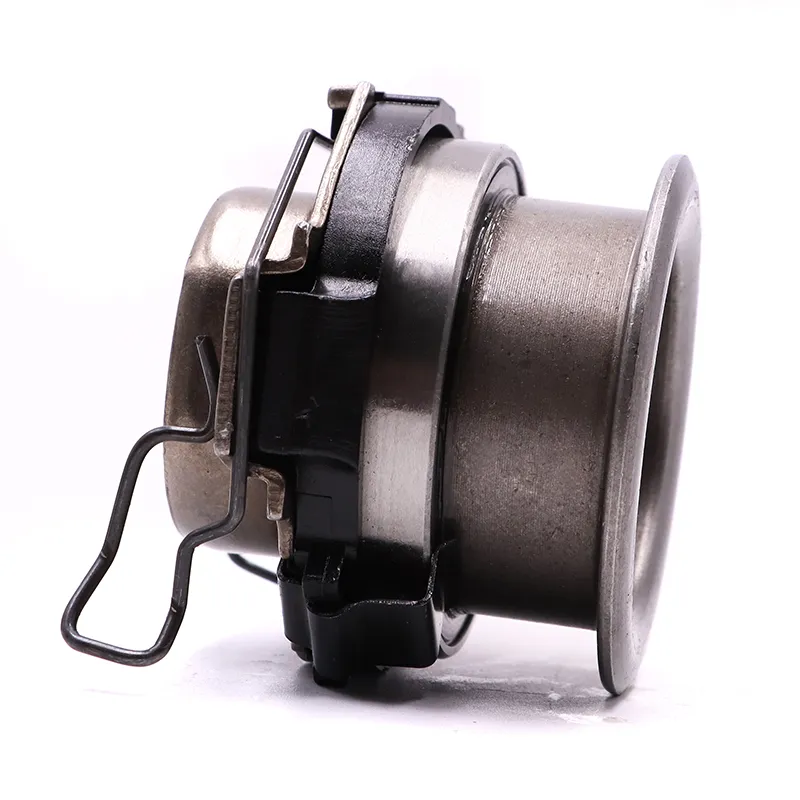
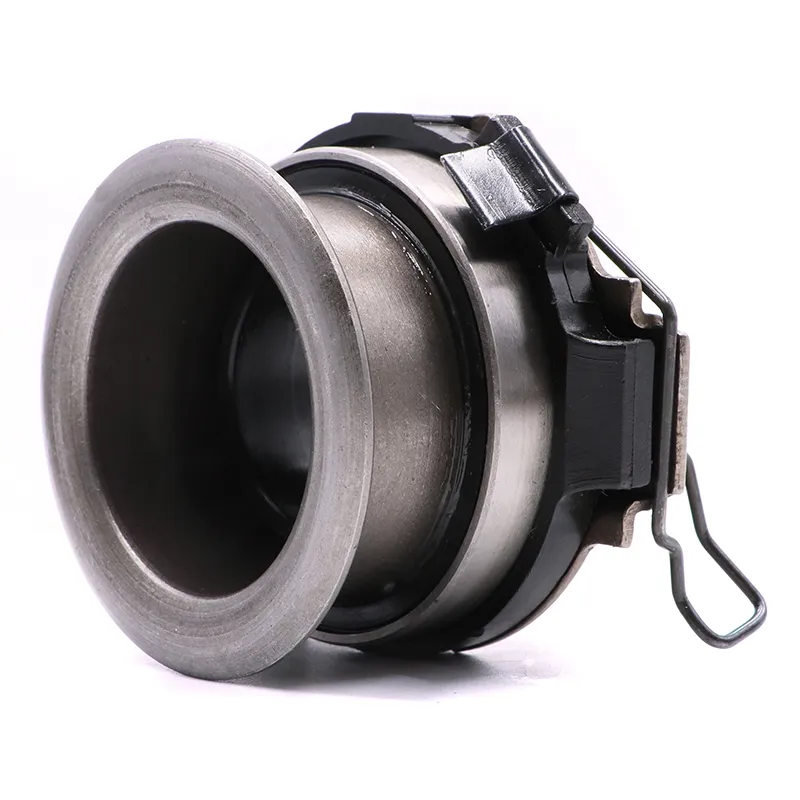
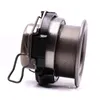
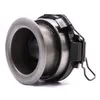
Clutch Bearing 31230-60160 Clutch Release Bearing 58scrn37p Clutch Bearings
|
Still deciding? Get samples of $ !
Order Sample
|
| Customization: | Available |
|---|---|
| Vibration: | Zv1 Zv2 Zv3 |
| Hardness: | HRC60--62 |
| Shipping Cost: | Contact the supplier about freight and estimated delivery time. |
|---|
| Payment Methods: |

|
|---|---|
| Support payments in USD |
| Secure payments: | Every payment you make on Made-in-China.com is protected by the platform. |
|---|
| Refund policy: | Claim a refund if your order doesn't ship, is missing, or arrives with product issues. |
|---|
Suppliers with verified business licenses
 Audited Supplier
 Audited by an independent third-party inspection agency
- Overview
- Product Description
- Company Profile
Basic Info.
Packaging & Delivery
To be negotiated ( > 100000 Sets)
Product Description

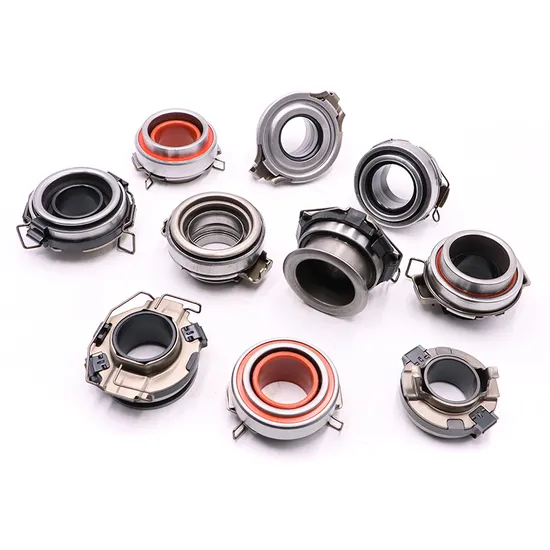
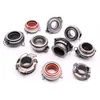
Automotive Clutch Release Bearings: An Overview for Passenger Cars
Introduction
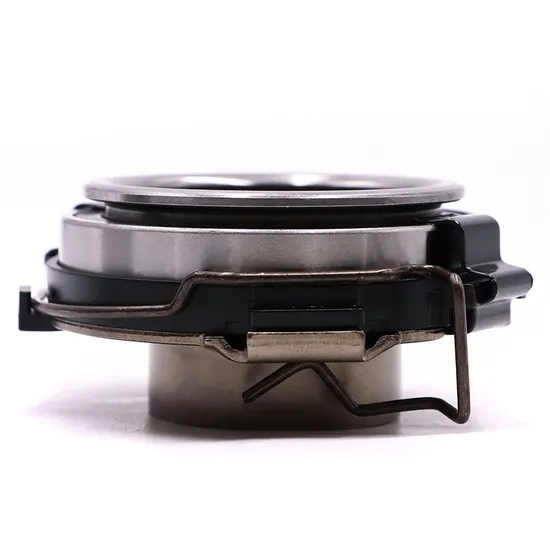
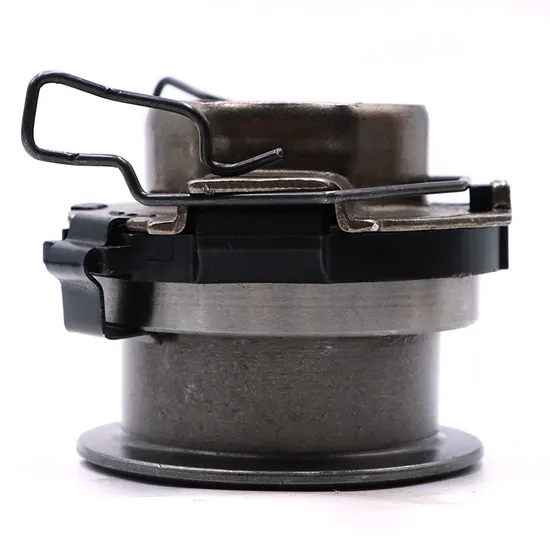
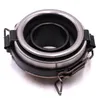
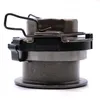
The clutch release bearing, or throwout bearing, is a critical precision component in a manual transmission system. It acts as the interface between the rotating clutch assembly and the stationary release mechanism. When the driver depresses the clutch pedal, this bearing moves forward to disengage the clutch disc from the flywheel, enabling smooth gear shifts. Its performance directly impacts shifting feel, noise levels, and the overall longevity of the clutch system. High-quality bearings are essential for reliable operation and driving comfort.
Common Models & Applications by Brand
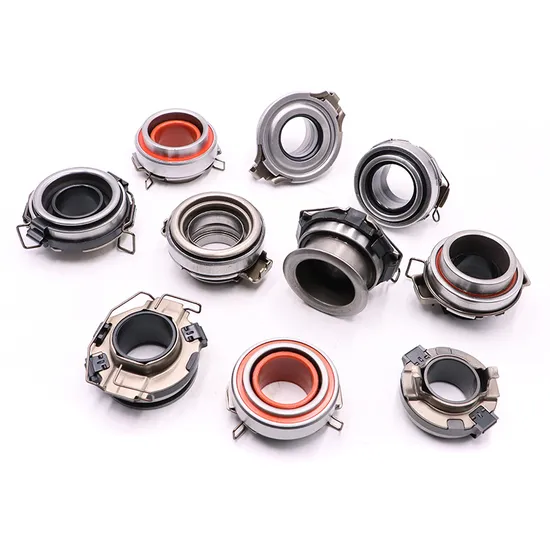
OEM part numbers are paramount for identification. Below is a listing of common models associated with major automotive brands.
| Car Brand | Common OEM Part Number(s) | Common Aftermarket/Generic Numbers | Approx. Dimensions (dxDxB) mm / Notes |
|---|---|---|---|
| Toyota | 31230-XXXXX (e.g., 31230-20060) | TK60-1, TK65-1, TK70-1, 60TKZ3201 | e.g., 60x85x19.8 (Varies significantly by model) |
| Honda | 22810-PXXXXXX (e.g., 22810-P5S-003) | TCR01, TCR02, TCR05, TCR10 | Common sizes range from ~50x65x15 to 60x80x18 |
| Volkswagen (VW) | 02K 141 165, 02R 141 165, 06F 141 165B | 110 141 165, 548 141 165, LUK 04802 | Often sold as a complete kit with clutch slave cylinder |
| Audi | 0A1 141 165, 06F 141 165 (Shares many with VW) | LUK 04802, 6261 995 001 | Integrated designs are common on modern models. |
| Mercedes-Benz | A 003 203 01 28, A 016 203 01 28, A 171 280 06 85 | LUK 510 0150, 6261 999 041 | Models often require specific integrated hydraulic units. |
| Nissan | 30502-XXXXX (e.g., 30502-AX500) | 30502-AA051, 30502-AA150, TK71-4BS | e.g., 55x78x18.5 (Varies by model) |
| Hyundai / Kia | 21513-XXXXX (e.g., 21513-22000) | 21513-2C100, TK69-1, TK69-3S | Commonly used in various compact and mid-size models. |
Key Features & Manufacturing Standards
-
Material: Manufactured from high-grade bearing steel (e.g., GCr15) undergoing rigorous heat treatment for exceptional wear resistance and durability.
-
Sealing: Equipped with high-performance contact seals (2RS) to prevent ingress of contaminants like clutch dust and moisture, which is vital for long service life.
-
Precision Grinding: Components are precision-ground to extremely tight tolerances to ensure smooth, quiet operation with minimal vibration and friction.
-
Design Variations: Includes both mechanical bearings (for older cable systems) and integrated hydraulic release bearings (IHOBs) that combine the bearing with the clutch slave cylinder for modern hydraulic systems.
Selection Guide
-
Precise Matching is Critical: Always cross-reference the OEM part number from the vehicle's VIN or the old component. Using an incorrect bearing can lead to rapid failure, clutch drag, and damage to the pressure plate and transmission.
-
Quality Matters: Opt for bearings from reputable Tier-1 suppliers (e.g., or certified OEM parts. Inferior bearings often have poor sealing and heat treatment, leading to premature noise and failure.
-
Complete Kit Recommendation: For high-mileage vehicles, it is often advisable to replace the bearing as part of a full clutch kit (including disc and pressure plate) to ensure optimal performance and longevity.
Conclusion
The clutch release bearing is a small but vital component that ensures the smooth and efficient operation of a vehicle's manual transmission. Understanding the common applications and insisting on high-quality, correctly specified parts are essential for maintaining the performance and driving experience of vehicles from brands like Toyota, Honda, Volkswagen, Audi, and Mercedes-Benz. Proper installation and the use of quality components prevent costly repairs and ensure reliable vehicle operation.

)