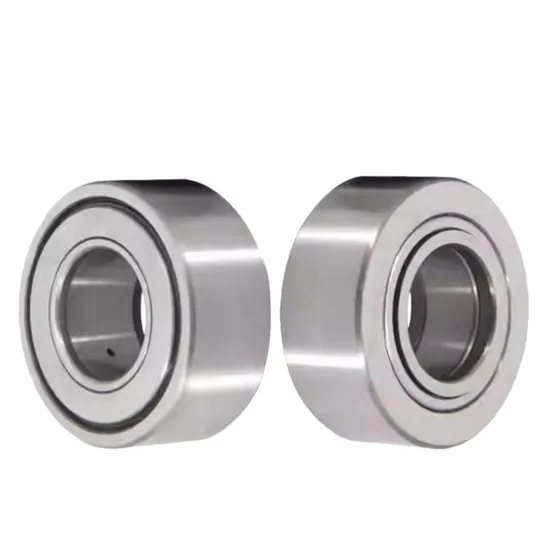
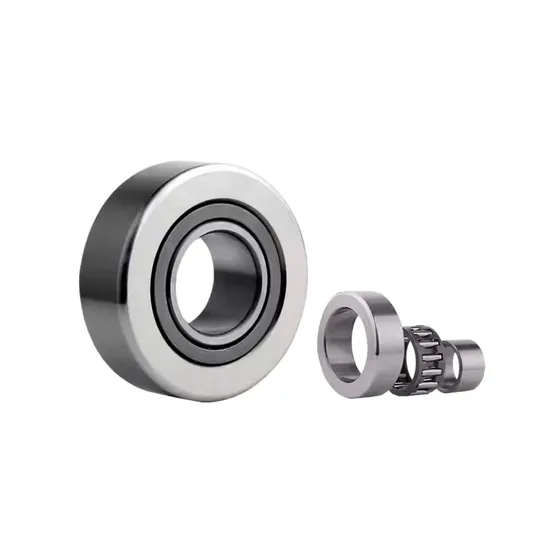
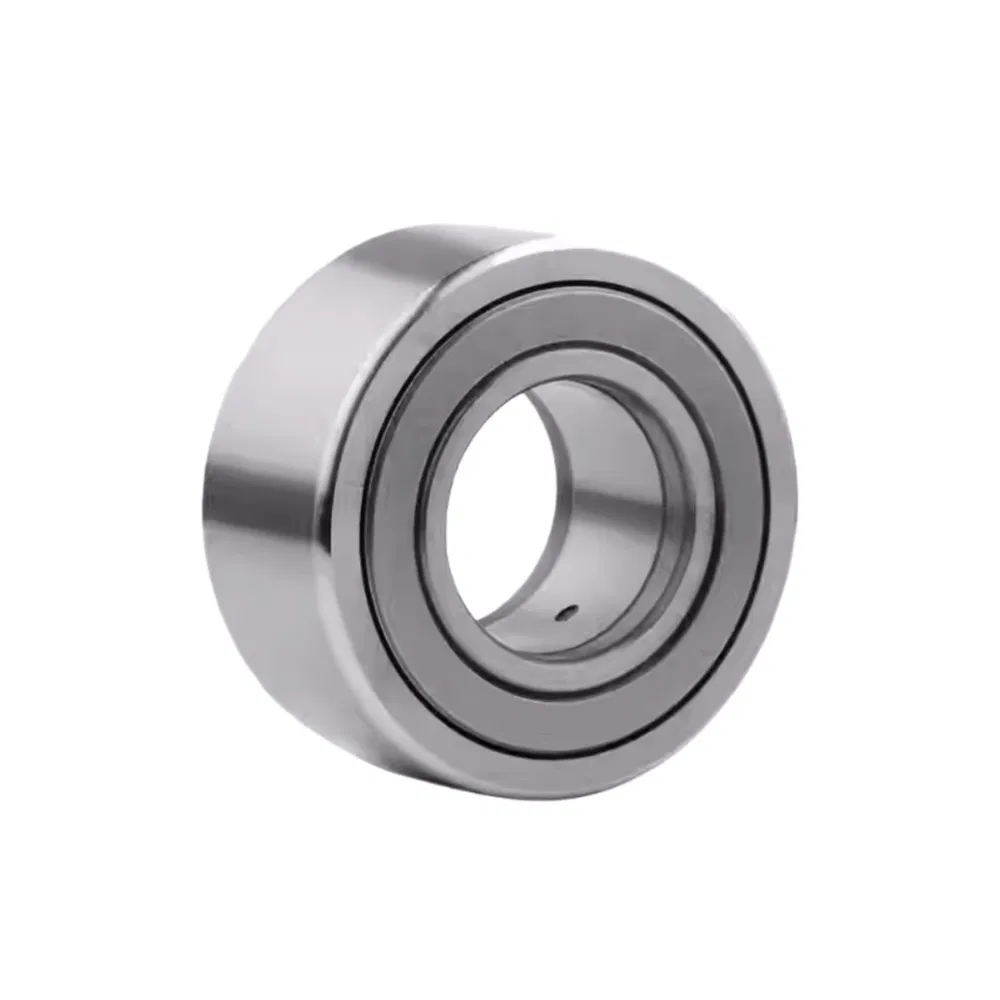
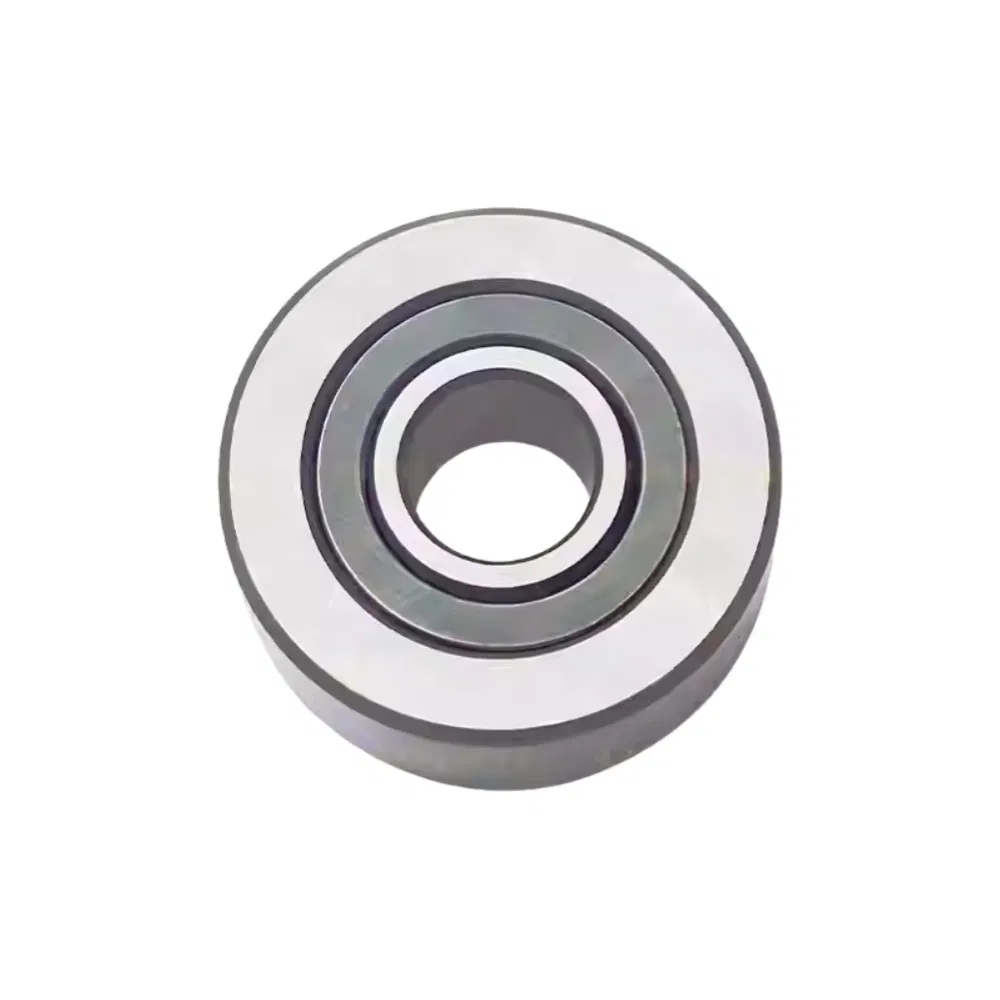
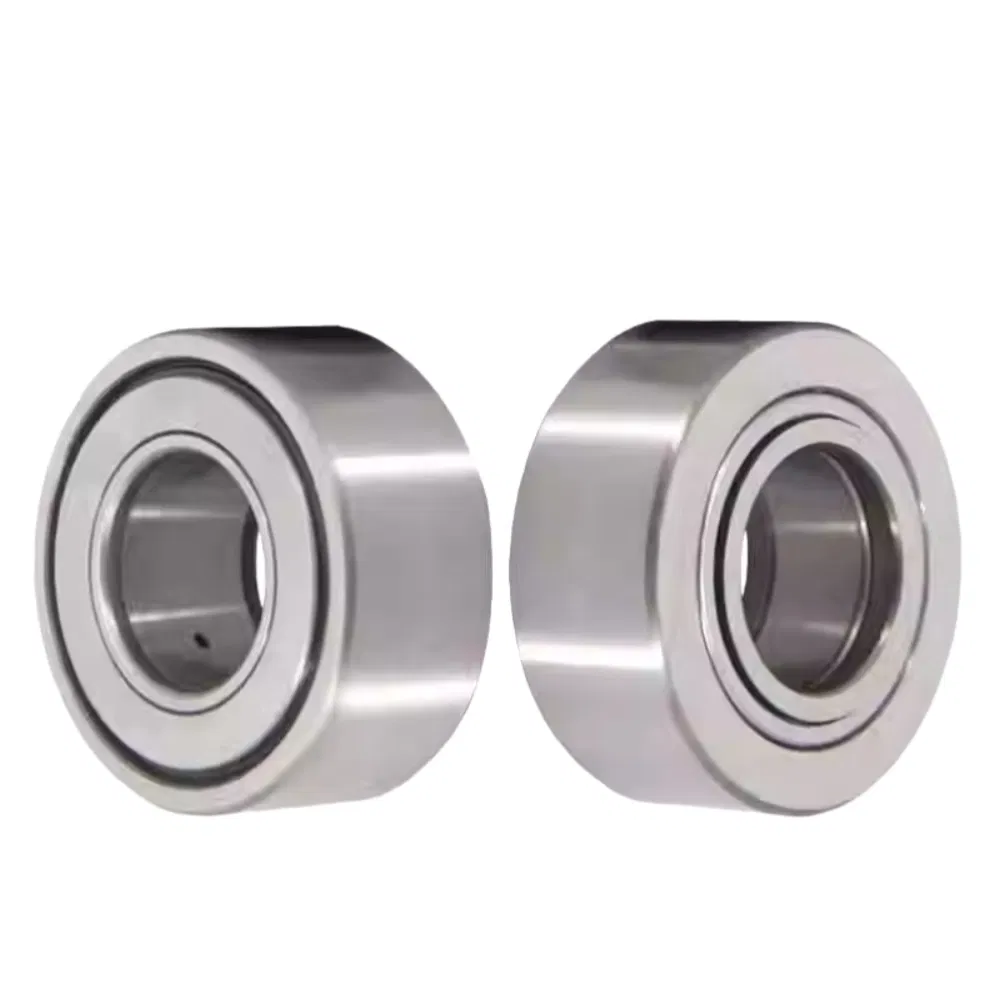
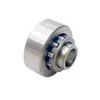
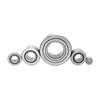
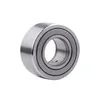
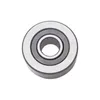
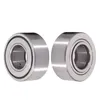
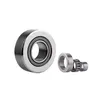
High Quality Good Price Track Roller Bearing Motorcycle Bearing Natr5 Natr6 Natr8 Natr10
|
Still deciding? Get samples of $ !
Order Sample
|
| Customization: | Available |
|---|---|
| Rolling Body: | Roller Bearings |
| The Number of Rows: | Single |
| Shipping Cost: | Contact the supplier about freight and estimated delivery time. |
|---|
| Payment Methods: |

|
|---|---|
| Support payments in USD |
| Secure payments: | Every payment you make on Made-in-China.com is protected by the platform. |
|---|
| Refund policy: | Claim a refund if your order doesn't ship, is missing, or arrives with product issues. |
|---|
Suppliers with verified business licenses
 Audited Supplier
 Audited by an independent third-party inspection agency
Basic Info.
Packaging & Delivery
Product Description

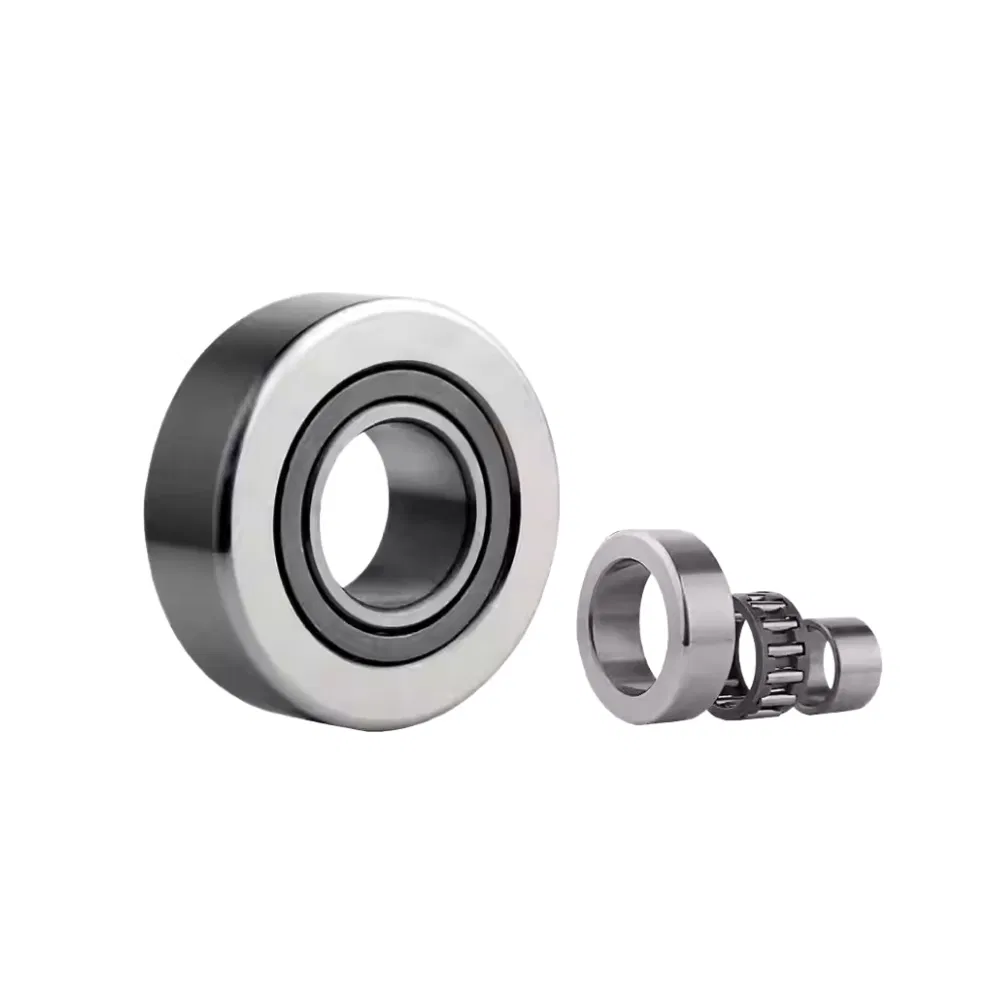
Cam Follower Bearings (Yoke Rollers with Needle Roller Interiors)
Overview:
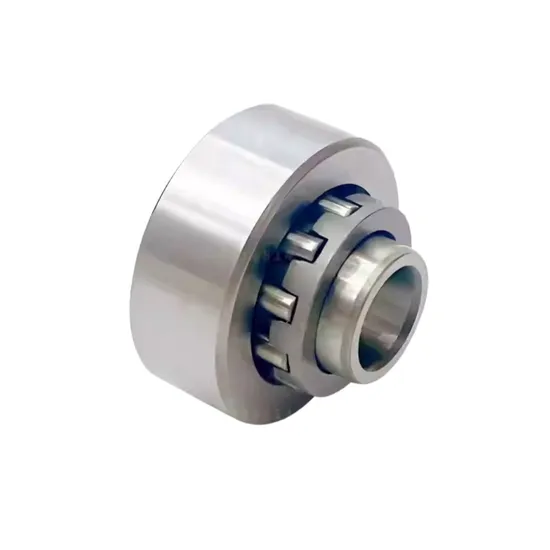
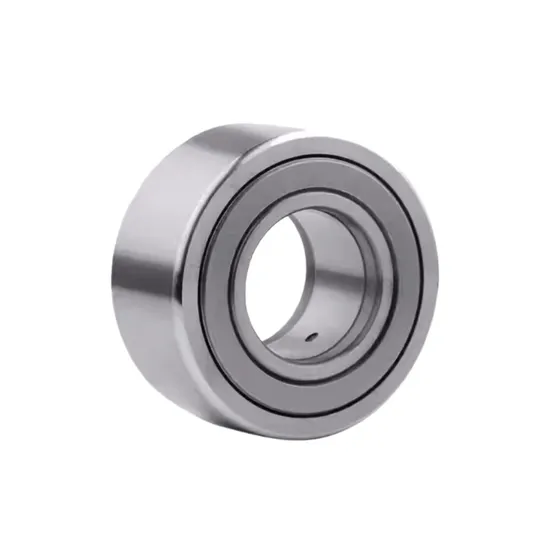
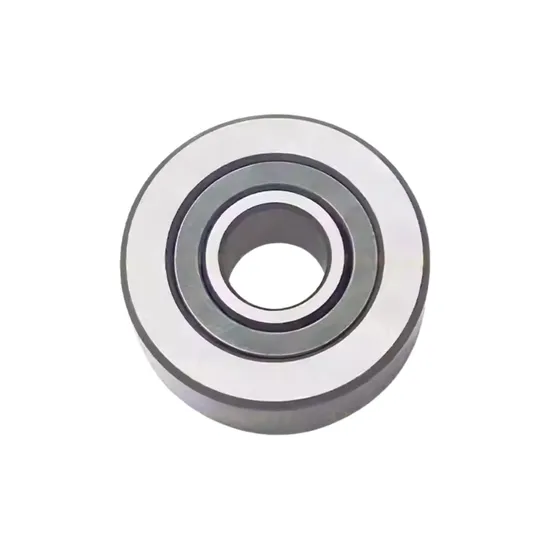
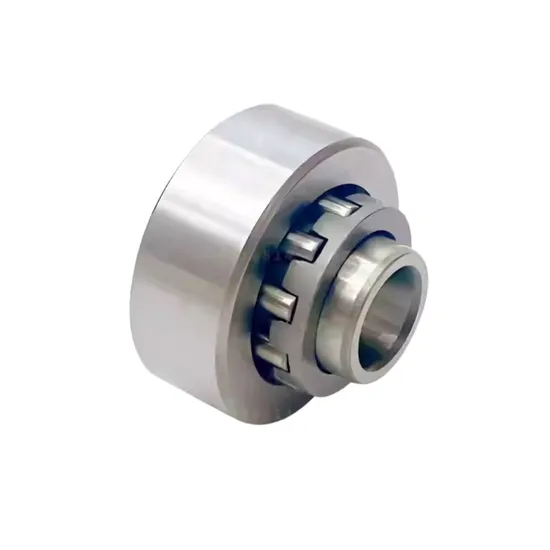
A cam follower bearing, also known as a yoke roller, is a highly specialized and robust bearing designed to follow tracks, cams, or guide rails. Its defining feature is a thick-walled, outer ring that acts as the rolling contact surface, mounted onto a integral stud (pin) which serves as the shaft. The internal rolling elements are needle rollers, which provide an exceptionally high load-carrying capacity within a compact cross-section. This design makes them ideal for applications with high shock loads, limited space, and demanding motion profiles.
Key Design Features & Advantages:
-
Exceptional Load Capacity: The internal needle roller construction allows these bearings to support very high radial loads-significantly higher than similarly sized ball bearing cam followers-due to the large contact area.
-
Robustness & Durability: The thick outer ring is through-hardened and precision-ground to withstand high impact loads, shock loads, and resist brinelling. The integral stud is also hardened for strength.
-
Compact Design: The needle roller design achieves maximum load capacity with a minimal cross-sectional height, optimizing space efficiency in machinery.
-
Lubrication & Sealing: Most models feature built-in lubrication holes (through the stud or side holes) and are equipped with high-performance seals to protect the needle rollers and raceway from contaminants like dirt, dust, and moisture, ensuring long service life.
-
Stud Integrity: The stud is designed with a tight tolerance fit between the thread and the body diameter to ensure precise alignment and prevent misalignment during operation.
Common Types & Configurations:
-
Standard Crowned (Type CR/CF):
-
Description: The outer ring has a slightly crowned (convex) profile. This design helps compensate for minor misalignments and prevents stress concentration at the edges of the ring, promoting even wear and a longer lifespan.
-
Example Models: CF 8 (Stud Thread M8x1.25), CR 12180 (12x18x12mm)
-
-
Full Complement (Type CF…-LL):
-
Description: Utilizes a maximum number of needle rollers without a cage, offering the highest possible radial load rating. Best suited for slow oscillating or rotary motions.
-
Example Models: CF 12 LL
-
-
Studded Track Rollers (Type NATR/NUKR):
-
Description: Similar to cam followers but often feature two retaining lips to secure the needle roller and cage assembly axially. The outer ring has a flat or slightly crowned profile.
-
Example Models: NATR 12 PPX (M12x1.5 thread)
-
Standard Sizing & Model Numbers:
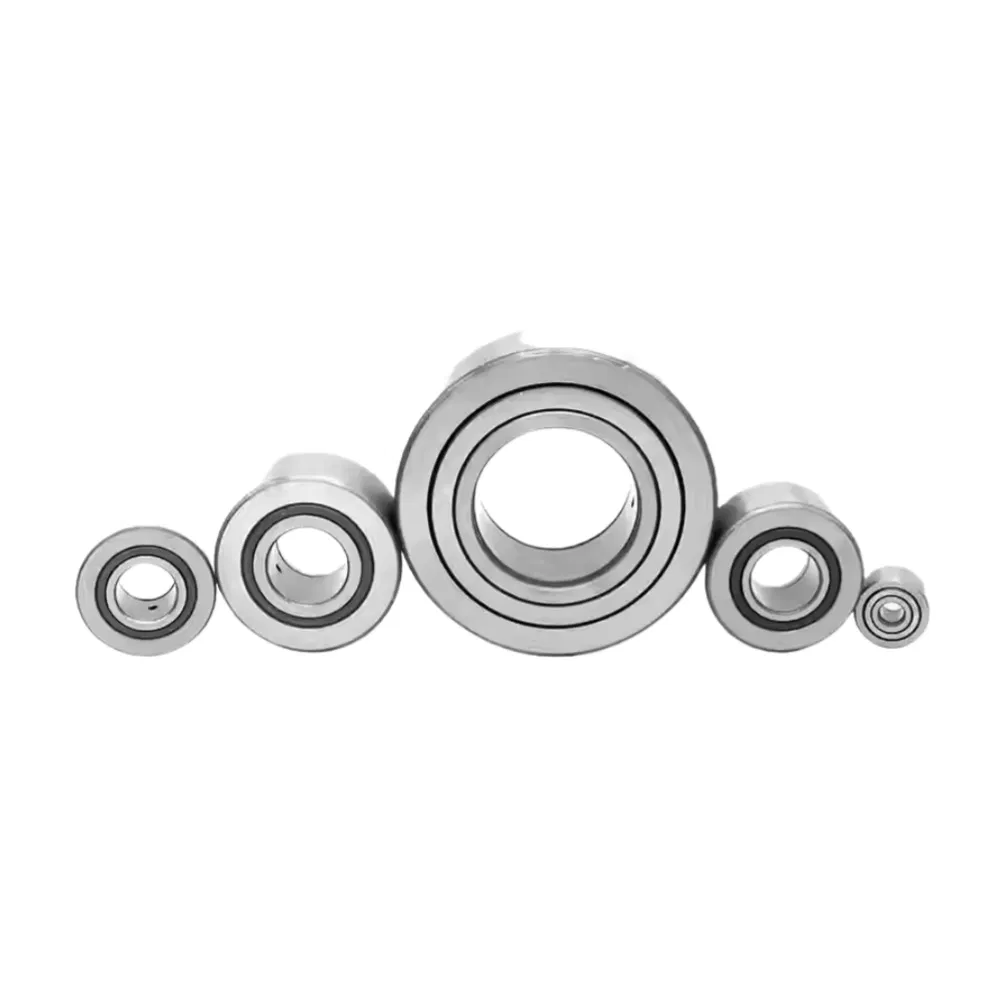
Sizing is typically denoted by the stud thread size and the outer ring dimensions.
-
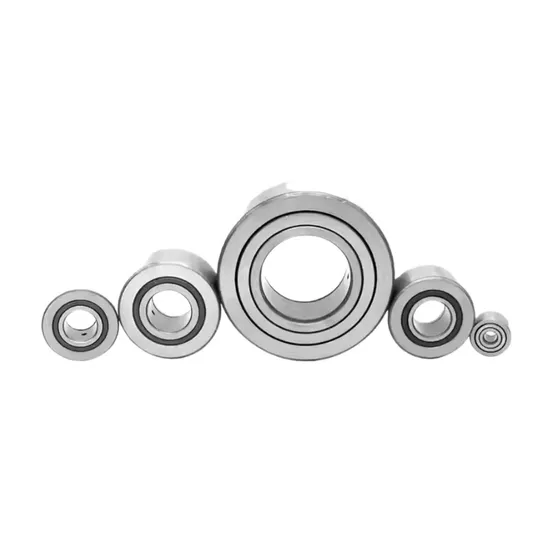
Stud Thread: Common metric threads include M6, M8, M10, M12, M14, M16, M20.
-
Outer Ring Dimensions: Given as Outside Diameter (D) x Width (C). Common sizes range from small (e.g., 16x12mm) to very large (e.g., 100x54mm).
-
Example: A model CF 24 has a stud thread of M24x1.5.
Primary Applications and Industries:
Cam followers are essential components in machinery requiring precise tracking and high load support.
-
Material Handling: Conveyor systems, cam-driven indexing tables, transfer lines, and packaging machinery.
-
Automation & Robotics: Linear guide systems, pick-and-place units, and assembly automation.
-
Printing Industry: Guides and supports in large printing presses.
-
Automotive Manufacturing: Welding fixtures, lifting platforms, and production line conveyors.
-
Textile Machinery: Guides for yarns and fabrics under tension.

)